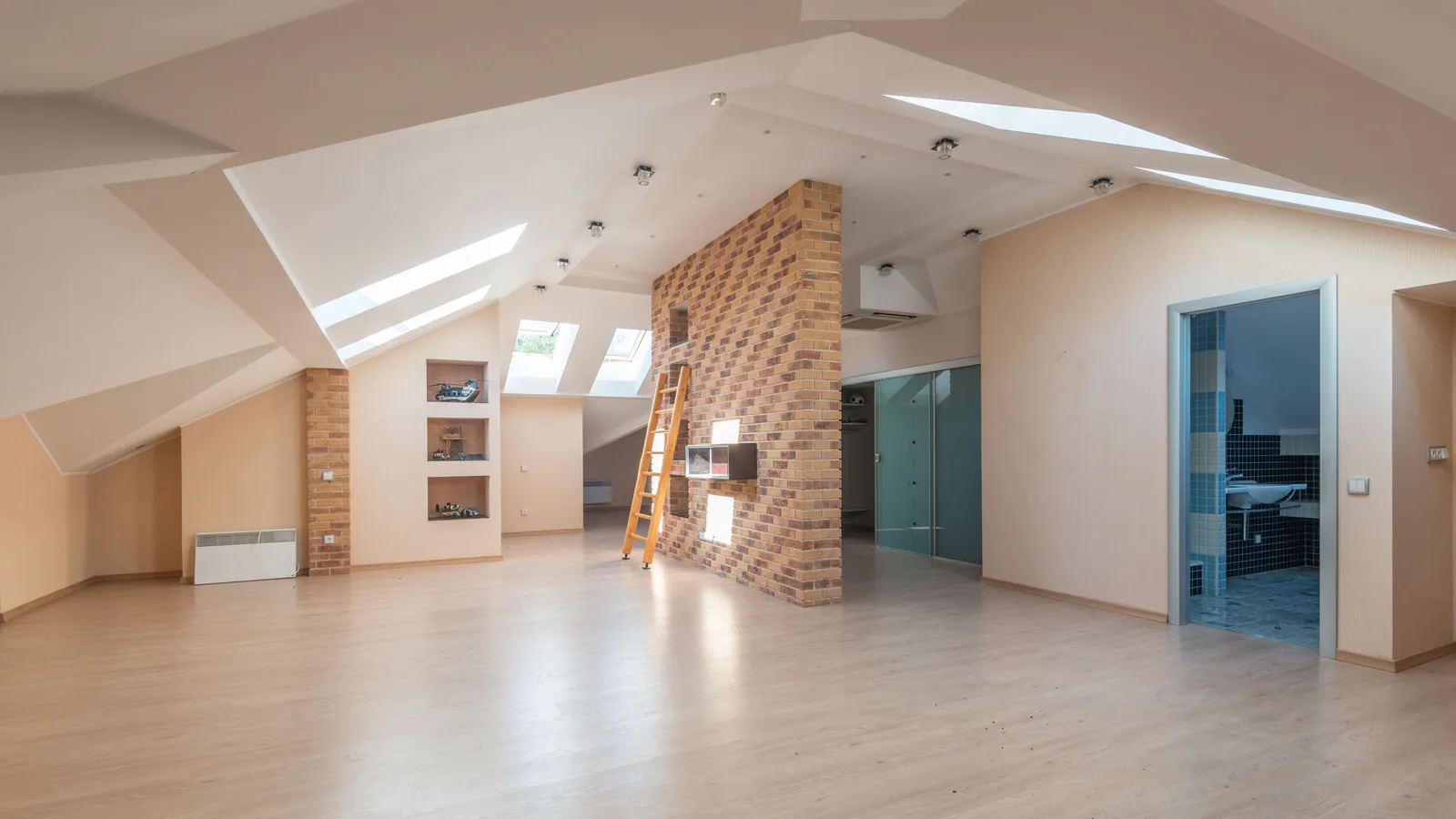
Northern Virginia moves constantly. Leases end, military and contractor orders change out of Quantico and the Pentagon, government postings rotate, and whole buildings in Arlington and Woodbridge turn over every summer. So move-out cleaning is one of the most common jobs we do — and every year we watch people lose deposits over things that would have taken a couple of hours to handle.
The first thing worth understanding is what a walk-through actually is. The inspector is not judging whether the place looks tidy. They're working through a checklist, comparing the unit against its move-in condition report, and they're looking in the specific places where tenants reliably don't: inside appliances, inside cabinets and drawers, inside closets, behind doors, along baseboards, in window tracks, and on top of things. Tidy is irrelevant. The checklist is everything.
The kitchen carries more deposit risk than any other room, and the inside of the oven is the single most-cited item on a move-out report. After that: the refrigerator, emptied, defrosted, wiped inside including the drawers and gasket, and usually expected to be left running unless you've been told otherwise. Then the range hood filter, the inside and outside of every cabinet and drawer, the dishwasher filter and door edge, the sink and faucet descaled, and the floor under and behind the appliances if they can be pulled out. If you do nothing else, do the oven and the fridge.
Bathrooms are about scale and grout, not about tidiness. Hard-water deposits on shower glass, tile and fixtures need an acidic descaler and dwell time — the same job as a deep clean. Grout gets worked separately. The exhaust fan cover is a checklist item almost nobody thinks of, and it's usually grey with dust. The toilet includes the base and the fittings behind it, which is where inspectors look precisely because tenants don't. Mirrors and chrome need to be streak-free, because they're the first thing anyone notices walking in.
Then the whole-unit items, which is where most of the remaining money goes. Baseboards, door frames and the tops of doors. Window tracks and sills, which collect grit, dead insects and pollen. Light fixtures and ceiling fan blades. Switch plates and outlet covers. Vents and returns. Inside every closet, including the shelf above the rail. Behind and under anything that stays. Walls checked for scuffs and marks, and picture hooks removed with the holes filled if your lease requires it. Floors done last, and carpets professionally cleaned where the lease says so — many require a receipt as proof.
A few practical notes from doing this a lot. Book the clean after the movers, not before — an empty unit cleans properly and a half-full one doesn't. Leave the utilities on; nobody can clean a unit with no water, no light and no working vacuum outlet, and that catches people out more often than you'd think. Take dated photographs of every room when the clean is finished, because that record is what settles a disagreement later. And dig out your move-in condition report, because pre-existing damage you noted then is not yours to pay for now.
It's also worth being realistic about the line between cleaning and wear. A landlord cannot charge you for ordinary wear and tear — faded paint, minor carpet traffic, small nail holes in most leases. They can charge for damage and for genuine uncleanliness. A good move-out clean removes every cleaning-related claim from the conversation and leaves only the question of damage, which is a much shorter argument to have.
If the inspection is close and the list is long, that's what we're for. Tell us the walk-through date when you call and we'll work back from it. Magical Makeover does move-in and move-out cleaning across Springfield, Woodbridge, Arlington, Alexandria, Fairfax, Manassas, Montclair and Prince William County — call (571) 572-6259 for a free estimate.